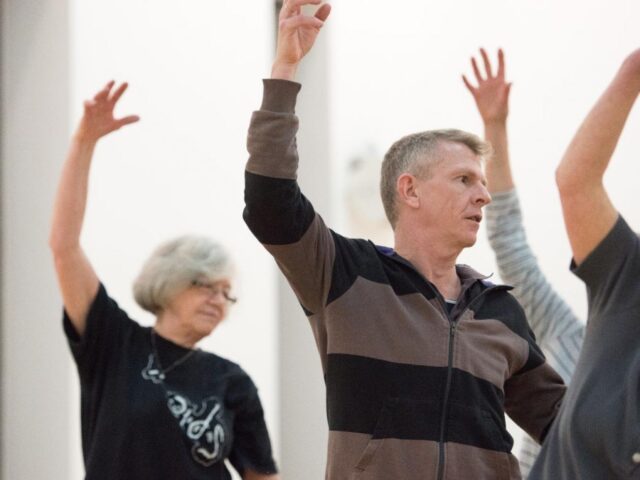
Exercise in lockdown became a luxury to many, with government restrictions on time spent outside, and closures of gyms, swimming pools, keep fit classes and other sports facilities.
There was particular concern over how this might affect the over 65s because a subdued lifestyle can cause increased health risks and further frailty.
The study by a team of researchers at Manchester University used Understanding Society data to look at the impact of lockdown on physical activity among older adults, looking at changing trends throughout the various stages of lockdown.
The researchers looked for trends in behaviour, taking into account previous and new health conditions, age, neighbourhood deprivation, and pre-pandemic activity levels. The researchers were then able to build a picture of whether exercise levels changed and whether this had an impact on increasing health risks.
They looked at older adults, who were already doing the recommended amount of exercise for their age group before lockdown, and then looked at what happened to them during and after lockdowns.
Key findings:
- There was a significant decline in activity among older adults in the third national lockdown in January 2021. This decrease will have put them at risk of becoming deconditioned and developing adverse health outcomes.
- While decreases in activity levels are seen across the social spectrum, the reduction in activity level between September 2020 and January 2021 is most marked among those from the least deprived areas. Those from the most deprived areas also decreased their activity levels and remain the least active group.
- People reporting no health condition had more marked decreases in activity levels to January 2021 than those with existing health conditions. Those with health conditions also have considerably lower levels of activity during the pandemic than pre-pandemic ,and these are lower than people with no health conditions.
- People who had higher levels of activity and exercise before the pandemic had lower levels during lockdown, but those doing the least before pandemic actually increased their activity levels. This is likely due to the closure of sports facilities and limited access to public areas, meaning those who were active outside their homes were now limited, but those who took less exercise were now able to spend more time at home and could therefore join in with the trends of indoor exercise or a daily walk.
This new evidence highlights a concern for policy makers. The study shows health risks for over 65s have increased because of the decline in activity caused by lockdowns, and new measures now need to be established to encourage the older generation to exercise safely and, hopefully, reverse the negative health effects caused by their lockdown-related inactivity.
Covid 19Health and wellbeing